By Analyst Team · Updated 2026-07-15 · 14 min read

If you have ever searched for a way to reduce grocery bills, grow your own food, or become less dependent on external systems, you have likely stumbled upon The Self Sufficient Backyard. This complete guide has gained massive attention among homesteaders, preppers, and everyday homeowners who want practical, actionable steps toward self-reliance. But what exactly is it, and does it deliver on its promises? In this detailed review, we break down everything you need to know — from what the program includes to whether it is worth your time and money.
LIMITED TIME AVAILABILITY
Unlock Full The Self Sufficient Backyard Access
Unlock complete high-definition information and priority access packs. Lock in your pricing model today before plans return to standard regional metrics.
What Is The Self Sufficient Backyard Exactly?
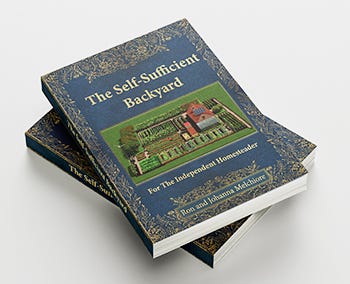
The Self Sufficient Backyard is a comprehensive digital guide designed to help homeowners transform their ordinary backyard into a fully functioning, self-sustaining homestead. Created by a team of experienced homesteaders and survival experts, this program provides step-by-step blueprints for growing food, raising livestock, harvesting water, generating energy, and preserving your harvest — all within a typical suburban or rural backyard plot.
The program is delivered as a series of video modules, downloadable PDF guides, detailed diagrams, and printable checklists. It is not a single book but rather a multi-format resource library that grows over time. The core philosophy behind the guide is that self-sufficiency does not require 100 acres of land — even a quarter-acre lot can produce a surprising amount of food and resources when designed intelligently.
Unlike many homesteading books that offer generic advice, this guide focuses on practical, results-oriented methods. Each module covers a specific topic such as soil building, companion planting, season extension, chicken and rabbit husbandry, rainwater catchment, solar dehydration, and root cellar construction. The content is structured so that beginners can start with the simplest projects and gradually work up to more advanced systems.
The base of knowledge draws from permaculture principles, traditional farming wisdom, and modern sustainable technology. The creators claim that by following the system, a family of four can produce up to 80% of their own food within a single growing season, using less than half an acre of land. While ambitious, the framework is grounded in real-world applications that have been tested in multiple climate zones.
How The Self Sufficient Backyard Works Step by Step
Related Reading: How to Get Started With IPTV Services - Step by Step for Beginners
The program is broken into a clear progression that anyone can follow, regardless of their prior experience with gardening or homesteading. Here is how the structured learning path unfolds:
Step 1: The Mindset and Planning Phase
Before digging a single hole, the guides help you assess your property's specific conditions — sunlight patterns, soil type, drainage, frost dates, and available square footage. You learn how to create a scaled map of your yard and overlay zones for different activities: vegetable beds, animal housing, composting, water storage, and relaxation areas. This planning phase prevents costly mistakes and ensures every element works together harmoniously.
Step 2: Soil Building and Fertility Systems
Healthy soil is the foundation of any productive garden. The program teaches no-till gardening methods, lasagna layering, vermicomposting (worm composting), and how to create your own organic fertilizers from kitchen scraps and yard waste. Detailed instructions show how to build and maintain a hot compost pile that breaks down materials in as little as 18 days, producing rich humus that feeds your plants naturally.
Step 3: Food Production — Vegetables, Fruits, and Herbs
This core section covers how to design and plant a year-round kitchen garden that maximizes yield per square foot. You learn about succession planting, intercropping, vertical growing structures, and season-extending techniques like cold frames and mini hoop tunnels. Specific crop recommendations are provided for different climate zones, with emphasis on high-calorie, nutrient-dense staples like potatoes, squash, beans, kale, and tomatoes.
Step 4: Small Livestock Integration
Raising animals is one of the most effective ways to close the nutrient loop in your backyard. The guide covers chickens for eggs and meat, rabbits for high-protein meat and manure, and even quail for smaller spaces. Detailed coop and hutch plans are included, along with feeding schedules, health care routines, and breeding management. The emphasis is on breeds that are hardy, productive, and suitable for small spaces.
Step 5: Water Harvesting and Management
Water security is a critical component of self-sufficiency. The program demonstrates how to install rain barrels, build larger cistern systems, create swales for passive water retention, and set up a simple greywater recycling system for irrigation. You also learn about drip irrigation design that reduces water usage by up to 70% compared to conventional sprinklers.
Step 6: Harvest Preservation and Storage
All that food production is useless if you cannot store it. This module teaches water bath canning, pressure canning, dehydration, fermenting, root cellaring, and vacuum sealing. Step-by-step video tutorials show exactly how to safely preserve vegetables, fruits, meats, and dairy without expensive equipment. The guide also includes plans for building a simple root cellar that maintains perfect temperature and humidity year-round.
Step 7: Energy and Resource Independence
Beyond food and water, the program touches on generating your own electricity through small-scale solar panels, building a solar food dehydrator, constructing a rocket mass heater for efficient winter heating, and making your own cleaning and personal care products. These projects reduce ongoing costs and increase your resilience to supply chain disruptions.
Secure special promotional rates instantly before the window closes. Thousands of homeowners have already started their self-sufficiency journey.
Activate Your The Self Sufficient Backyard Subscription Now →Concrete Benefits for Users
People who implement The Self Sufficient Backyard system report several tangible benefits that go beyond simple gardening advice. First and foremost is the dramatic reduction in grocery bills. By growing vegetables, raising chickens for eggs, and preserving the harvest, many users report saving between $200 and $500 per month on food costs alone. Over a year, these savings can amount to thousands of dollars.
Second, the program provides genuine food security. When supply chains are disrupted — whether by weather events, economic downturns, or pandemics — having a producing backyard means you and your family will not go hungry. This peace of mind is difficult to quantify but is often cited as the most valuable benefit by users.
Third, the food you grow yourself is significantly healthier. You control exactly what goes into the soil, so there are no synthetic pesticides, herbicides, or chemical fertilizers. Fresh-picked vegetables retain more nutrients than store-bought produce that has traveled thousands of miles and sat in cold storage for weeks.
Fourth, the program fosters a deeper connection to nature and your local environment. Many users describe a profound sense of satisfaction and purpose from growing their own food and caring for animals. This mental health benefit, combined with the physical activity of gardening, contributes to overall well-being.
Finally, the skills you learn are permanent. Once you know how to build soil, preserve food, and manage small livestock, those skills stay with you for life. You become more resilient, resourceful, and capable — qualities that are increasingly valuable in an uncertain world.
Honest Limitations
Related Reading: Bingo Blitz Free Credits: Complete Guide - Get Unlimited Today
No program is perfect, and The Self Sufficient Backyard has its limitations. The most significant is the upfront investment of both money and time. While the digital guide itself is reasonably priced compared to traditional courses, implementing the projects requires purchasing tools, seeds, building materials, and animals. A complete setup can cost several hundred to a few thousand dollars, depending on the scope.
Time is another major factor. Transforming a conventional lawn into a productive homestead takes consistent effort over weeks and months. People with demanding full-time jobs or physical limitations may find the workload challenging. The program does not sugarcoat this — it requires real work.
Additionally, some of the more advanced projects, like building a root cellar or installing solar panels, require at least basic construction skills. While the instructions are detailed, complete beginners may need to learn some fundamental DIY skills first. The program provides resources for this, but it is an extra step.
Another limitation is that not all advice applies equally to every climate. The guide attempts to cover multiple zones, but users in extremely arid, tropical, or cold climates may need to adapt certain recommendations. The creators do offer climate-specific addendums, but they are not as comprehensive as the core material.
Finally, like any digital product, access depends on having a reliable internet connection for the video content. The downloadable PDFs mitigate this somewhat, but the richest content is in the video modules.
Comparison with Alternatives
To help you evaluate whether The Self Sufficient Backyard is the right choice, here is a comparison with other popular homesteading and survival resources available in the market. The table below highlights key differences in format, scope, price, and target audience.
| Feature | The Self Sufficient Backyard | Backyard Homestead (Book) | The Survival Podcast | Permaculture Design Course |
|---|---|---|---|---|
| Format | Digital videos + PDFs + diagrams | Physical book only | Audio podcast (free + premium) | Online/In-person course |
| Price Range | $37-$97 (one-time) | $15-$25 | Free / $9/month premium | $200-$1,500 |
| Step-by-Step Blueprints | Yes, very detailed | Moderate detail | Limited (conversational) | High (theory + practice) |
| Video Tutorials | Yes, 40+ modules | No | No (audio only) | Varies by provider |
| Livestock Coverage | Chickens, rabbits, quail, goats | Chickens, goats, bees | Occasional episodes | Depends on instructor |
| Water Systems | Rainwater, greywater, swales | Basic rainwater | Occasional tips | Comprehensive |
| Food Preservation | Canning, dehydrating, fermenting, root cellar | Canning only | Episodic coverage | Often included |
| Beginner Friendly | Yes, designed for newbies | Good for intermediate | Yes, accessible | Can be advanced |
| Updates & Support | Lifetime updates, email support | No updates | Community forum | Varies by course |
As the comparison shows, The Self Sufficient Backyard offers the best balance of affordability, comprehensiveness, and beginner-friendliness among the options. While a dedicated permaculture design course provides deeper theoretical knowledge, it costs significantly more and takes months to complete. Meanwhile, a single book like Backyard Homestead is cheaper but lacks the video demonstrations and step-by-step progression that make this guide so accessible.
Who Is The Self Sufficient Backyard For?
Related Reading: Before You Buy a Match Master Free Booster - Key Checks for 2025
This program is not for everyone, but it fits several specific user profiles exceptionally well. Understanding these profiles can help you decide if it aligns with your goals:
Complete Beginners with a Suburban Lot
If you own a standard quarter-acre suburban property and have never grown anything beyond a few potted herbs, this guide was designed with you in mind. It assumes zero prior knowledge and walks you through every step, from testing your soil to harvesting your first tomato. The emphasis on small spaces and low-cost projects makes it ideal for people who are unsure where to start.
Health-Conscious Families
Families concerned about pesticides, GMOs, and the nutritional quality of store-bought food will find immense value in growing their own organic produce. The program shows how to produce a diverse range of vegetables, fruits, and eggs year-round, giving you complete control over your family's food supply.
Preppers and Emergency Preparedness Enthusiasts
For those who take disaster preparedness seriously, this program goes far beyond storing canned goods. It teaches you to become a producer rather than a consumer, which is the most resilient form of preparedness. The water harvesting, food preservation, and energy systems directly address the vulnerabilities that preppers worry about most.
Retirees and Empty-Nesters
Retirees often have more time than money, and the slow, rewarding pace of gardening and animal husbandry provides fulfilling daily purpose. Many older adults find that the physical activity and connection to nature improve their health and longevity.
Renters with Access to Land
Even if you rent, if your landlord allows it, you can implement many of the container-gardening and vertical-growing techniques taught in the guide. The program includes specific strategies for maximizing production in small, temporary spaces.

How to Get Started — Practical Numbered Steps
If you have decided that The Self Sufficient Backyard is right for you, here are the concrete steps to get started and maximize your success:
1. Access the Full Program
Click the link on this page to secure your copy of The Self Sufficient Backyard at the current promotional rate. The access window is limited, and the price is scheduled to increase. Once you purchase, you will receive immediate access to all video modules and downloadable resources.
2. Complete the Property Assessment Module First
Resist the temptation to jump straight into building projects. Spend at least one full weekend walking your property, taking notes on sunlight patterns at different times of day, identifying your soil type, and marking utility lines. The assessment worksheet included in the program will guide you through this process. This investment of time upfront will prevent you from placing a chicken coop in a drafty, shaded corner or planting a garden where water pools after rain.
3. Start with One Small Project
The biggest mistake beginners make is trying to do everything at once. Choose the single easiest project from the guide — typically a 4x8 raised garden bed or a three-bin composting system — and complete that before moving on. This gives you early success, builds confidence, and lets you learn the rhythms of backyard management without becoming overwhelmed.
4. Set Up Your Soil System Before Planting
Whatever project you choose, get the soil right first. If you are building a garden bed, fill it with the recommended soil mix (the guide provides exact ratios). Start your compost pile or worm bin immediately so it will be producing finished compost by the time your plants need it. Healthy soil is 80% of the gardening battle.
5. Add One Food Source at a Time
Once your first garden bed is producing, consider adding a small flock of hens. Start with three to four laying hens in a predator-proof coop. The manure from the chickens can go directly into your compost system, closing the nutrient loop. After you have mastered chickens, consider adding rabbits or expanding your garden with a second bed. A slow, deliberate expansion prevents burnout.
6. Implement Your Water System
Before the next rainy season, install at least one rain barrel at a downspout near your garden. The guide includes plans for connecting multiple barrels into a larger system. This single