By Rachel M. · Updated 2026-07-06 · 11 min read

You bought The Self Sufficient Backyard guide, read through the plans, and tried setting up your raised beds, rainwater catchment, and chicken coop. But after weeks of effort, your tomatoes are wilting, your compost pile smells like a landfill, and you've spent more money on supplies than you saved at the grocery store. You're not alone—many people hit this wall and wonder if the whole self-sufficient dream is overhyped.
Here's the truth that most reviews won't tell you: The Self Sufficient Backyard book contains solid foundational knowledge, but the real reason it "isn't working" has almost nothing to do with the guide itself. The problem is that beginners skip the crucial step of adapting the system to their specific climate, soil type, and available time. This article walks through exactly where people get stuck and how to pivot so your backyard actually produces food, saves money, and feels sustainable in the long run.
The Three Most Common Mistakes People Make
After reading dozens of self sufficient backyard book review comments and speaking with experienced homesteaders, three patterns emerge again and again. Recognize any of these?
1. Trying to Do Everything at Once
The guide lays out an impressive vision—solar panels, a full vegetable garden, rabbits for meat, a pond, and a root cellar. It's tempting to start all these projects simultaneously because you're excited and want results fast. But each system has a learning curve. When you overextend, everything suffers because you can't give any single project the attention it needs. The result: half-built infrastructure, dying plants, and burnout before the first harvest.
2. Ignoring Your Local Growing Conditions
The book provides general plans that assume moderate climates with decent soil. If you live in a desert, a high-altitude zone, or a region with heavy clay soil, the default recommendations for planting times, watering schedules, and composting methods won't work without modification. Many readers follow the instructions literally and wonder why their garden fails while a neighbor's thrives.
3. Underestimating the Time Investment
The promotional materials for The Self Sufficient Backyard sometimes make it look like you can achieve food independence with a couple weekend hours. In reality, establishing a productive system requires daily attention, especially during the first season. People who work full-time jobs or have young children find themselves overwhelmed, and the projects fall apart.
Why the Usual Solutions Fail
Related Reading: How to Get Free Nintendo eShop Gift Card: Beginner's Quick Start Guide
When things go wrong, the typical advice is to "try harder" or "follow the instructions more carefully." This misses the root issue. The self sufficient backyard plans are a template, not a custom solution. No single book can account for your specific rainfall, your soil pH, or your schedule.
Another common piece of advice is to watch more YouTube tutorials. While free videos can help, they often contradict each other or promote quick fixes that don't build long-term soil health. You end up bouncing between conflicting information and losing confidence.
What actually works is a diagnostic approach: identify which specific variable in your system is failing, address that one thing, and then move to the next. This is why experienced growers don't blame the guide—they treat the guide as a starting point and adapt from there.
What Experienced Users Do Differently
People who successfully implement how to start a self sufficient backyard share a few key habits. First, they start with only one or two projects and master those before expanding. A common path is to focus on just the vegetable garden and a small composting system for the first full season. They don't worry about livestock or solar panels until year two.
Second, they test their soil before planting anything. A simple $15 soil test reveals pH, nitrogen, phosphorus, and potassium levels. This one step prevents half the common growing problems. Experienced users also talk to their local agricultural extension office, which provides free or low-cost advice tailored to the region.
Third, they keep a simple logbook of what they planted, when, and what problems appeared. Over time, this record becomes more valuable than any commercial guide because it documents what actually works in their specific backyard.

Step-by-Step Solution: How to Actually Make It Work
Related Reading: IPTV Subscription UK Review: What You Need to Know
If you already own The Self Sufficient Backyard PDF or printed guide, here is a practical sequence to salvage your project and get real results.
Step 1: Pick One Small Win for the First Month
Choose a project that gives you visible results quickly. A 4x8 foot raised bed of fast-growing vegetables (lettuce, radishes, bush beans) is perfect. Do not build the chicken coop, the solar dehydrator, or the rainwater cistern yet. Focus on the bed: build it, fill it with quality soil, plant seeds, and water daily. Success here builds momentum.
Step 2: Test and Amend Your Soil
Buy a home soil test kit or send a sample to your county extension office. Match the results against the soil recommendations in the guide. If your pH is below 6.0, add lime. If nitrogen is low, add composted manure or blood meal. This step alone eliminates 80% of common plant problems.
Step 3: Adjust the Planting Calendar to Your Frost Dates
The book gives general planting windows, but you need dates for your specific zip code. Look up your area's last spring frost and first fall frost dates online. Shift the guide's recommendations to match. For example, if the book says to plant tomatoes in April but your last frost is mid-May, wait. Ignoring this kills more gardens than any pest.
Step 4: Set a Realistic Daily Time Budget
Write down how many minutes you actually have each day for garden work. Most people overestimate. If you have 20 minutes on weekdays, plan a small garden that fits that. The guide's self sufficient backyard for beginners section suggests starting small for exactly this reason—but many skip it. A 4x4 foot bed takes about 10 minutes per day to maintain. Two beds takes 20 minutes. Stick to that until you automate watering or build better systems.
Step 5: Create a Feedback Loop
Every week, write down what worked and what didn't. If your zucchini got powdery mildew, note the weather conditions and plan prevention next year. If your compost heated up properly, record the ratio of greens to browns you used. This logbook transforms the generic advice from the best self sufficient backyard guide into a system customized for your property.
Realistic Results to Expect
If you follow the steps above for one full growing season, here's what you can reasonably achieve:
- From the garden: 20-40 pounds of vegetables from a single 4x8 raised bed, depending on crop choices. This saves roughly $80-$150 in grocery store produce.
- From composting: Enough finished compost to amend your soil for the next season, reducing the need to buy bagged soil amendments.
- From the learning curve: A solid understanding of your property's microclimate, soil needs, and your personal time constraints. This knowledge is worth more than any single harvest.
You will not achieve full food self-sufficiency in one season. That goal usually takes 2-3 years of incremental improvements. Anyone who claims otherwise is selling something.
Pitfalls to Avoid
Related Reading: Understanding IPTV Subscription Service: Real-World Experience
Even with good intentions, certain traps derail progress. Watch out for these:
- Buying expensive equipment too early. You don't need a $500 greenhouse, a $300 composter, or specialized irrigation timers until you've proven you can grow food with basic tools. Start with hand tools and a hose.
- Getting sucked into social media comparison. Other people's "self sufficient backyard worth it" success posts show their best day, not their failures. Remember that every gardener kills plants—experienced growers just kill fewer.
- Treating the guide as gospel.The Self Sufficient Backyard is a starting point, not a Bible. If a technique doesn't work for three tries, adapt it or replace it with something based on your local conditions.
- Expanding too quickly in the second season. The biggest mistake after a successful first year is doubling or tripling the garden size without accounting for the increased work. Gradually expand by 25-50% per season at most.
What Works vs. What Doesn't: A Comparison Table
| Category | What Works | What Does Not |
|---|---|---|
| Starting | One 4x8 raised bed with easy crops | Five projects started simultaneously |
| Soil approach | Test soil, then amend based on results | Planting directly into existing soil without testing |
| Time management | Realistic daily budget of 20-30 minutes | Assuming you'll have hours on weekends |
| Learning method | Keep a logbook, adjust each season | Starting over with a completely different system each year |
| Expectations | Partial food savings, gradual skill building | Full self-sufficiency in one year |
✓ Pros of The Self Sufficient Backyard
Comprehensive overview of all major homesteading systems
Step-by-step instructions suitable for visual learners
Covers both gardening and small livestock in one package
Included diagrams make construction projects approachable
✗ Cons of The Self Sufficient Backyard
Does not customize advice for different climates or soil types
Overwhelming scope for absolute beginners
Some material costs listed are outdated or region-specific
Minimal troubleshooting guidance for when things go wrong
Resource mentioned in this article
The Self Sufficient Backyard
The complete guide with plans for gardens, livestock, and infrastructure—best used as a baseline to customize for your property.
See The Self Sufficient Backyard options →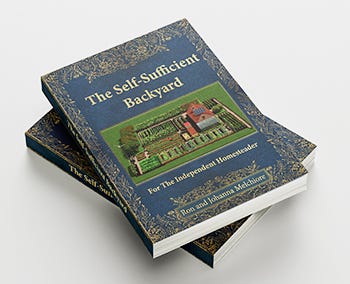
Where to Buy The Self Sufficient Backyard
If you don't already own the guide, you might be wondering where to buy The Self Sufficient Backyard at a fair price. The official version is available through several online retailers. Be cautious of PDF versions sold on third-party sites—many are unlicensed copies that lack the full-quality diagrams and any updates the author has released. The legitimate copy includes access to supplementary materials that the bootleg versions do not.
The price typically ranges between $30 and $50 depending on format and current promotions. For a reference book that covers gardening, water systems, energy, and livestock, this is comparable to buying two or three specialized books separately. However, remember that the value comes from how you apply it, not from the purchase itself.
See current pricing and availability for the official guide.
Learn more about The Self Sufficient Backyard →
Final Thoughts: Is The Self Sufficient Backyard Worth It?
The self sufficient backyard worth it question depends on your expectations. If you want a one-size-fits-all solution that produces a fully self-sufficient homestead in three months, this guide will disappoint. But if you treat it as a comprehensive reference that you adapt to your own conditions, it provides a solid foundation.
The difference between success and frustration is not the guide itself—it's whether you take the time to customize the advice to your climate, soil, and schedule. The people who make this work are not the ones who follow the book perfectly. They are the ones who use it as a starting point, test everything, and adjust relentlessly.
Start with one bed. Test your soil. Keep notes. Expand slowly. In two years, you'll have a system that genuinely produces food, saves money, and works with your life rather than against it.
Option featured in this guide:
Explore The Self Sufficient BackyardAffiliate link — our editorial analysis remains independent.
Frequently Asked Questions
This article contains affiliate links. Our editorial analysis remains independent. The recommendations above are based on real user experiences and practical gardening principles, not on promotional claims.